[email protected]
+91 97269 26402




How Zinc Sulfate Mono Improves Crop Growth & Yield
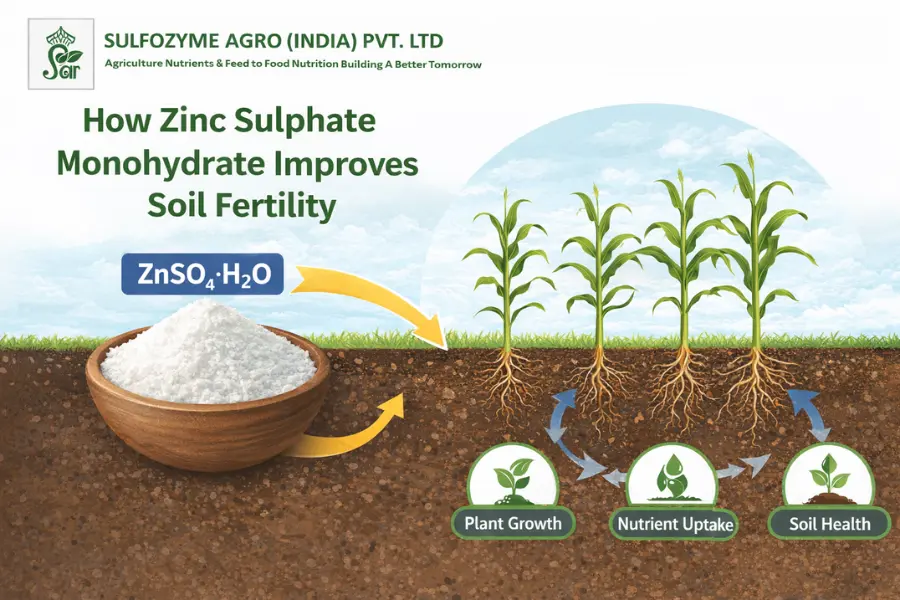
How Zinc Sulfate Mono Improves Crop Growth & Yield
Hello, fellow growers and soil enthusiasts-whether you’re tending a backyard garden or managing vast fields, I know how rewarding it is to see your crops thrive. If you’ve ever wondered why some plants just don’t reach their full potential, or how a simple addition can make all the difference, you’re in the right spot. Today, we’re exploring how zinc sulfate mono-short for zinc sulphate monohydrate-improves crop growth and yield. As an agronomist with years of experience in plant nutrition, I want to reassure you that this isn’t about complicated science; it’s about giving your plants the support they need to flourish. We’ll break it down step by step, with clear insights and practical tips, so you can feel confident and ready to apply this knowledge. Let’s grow together!
What is Zinc Sulfate Mono and Why It Matters
First, let’s get to know our star: zinc sulfate mono, or ZnSO4·H2O. This is a water-soluble form of zinc, a micronutrient that plants require in tiny amounts but can’t do without. The “mono” part refers to monohydrate, meaning it has one water molecule attached, which makes it dissolve easily and get to work fast. Zinc itself is essential for plant health, acting like a catalyst in key processes. Without it, crops can suffer from deficiencies that stunt growth and reduce productivity.
In agriculture, zinc sulfate hydrate is a trusted tool because it’s affordable, effective, and versatile. It’s used worldwide to correct zinc shortages, which affect up to half of the world’s farmland, according to the Food and Agriculture Organization. If you’re dealing with poor soil or challenging weather, this compound can be a game-changer. As an expert, I can confidently say it’s a decision-ready choice for farmers looking to boost yields sustainably. It’s reassuring to know that something so straightforward can have such a big impact-think of it as a nutrient hug for your plants.
How Zinc Sulfate Mono Enhances Crop Growth
Now, let’s dive into the “how.” Zinc sulfate hydrate improves crop growth by addressing deficiencies and supporting vital plant functions. Here’s how it works, explained clearly:
Boosting Enzyme Activity and Metabolism
Zinc is a key player in over 300 enzymes that drive plant metabolism. It helps with photosynthesis, protein synthesis, and energy production. When you apply zinc sulfate mono, it provides readily available zinc ions that plants absorb through roots or leaves. This leads to stronger cell division, better root development, and healthier leaves. For example, in zinc-deficient soils, plants might have weak stems or yellowing foliage, but supplementation reverses this, promoting vigorous growth from seedling to harvest. Studies show that zinc boosts chlorophyll production, making leaves greener and more efficient at capturing sunlight. It’s empathetic to think about how this simple fix can turn struggling plants into thriving ones-your hard work deserves that kind of support.
Supporting Hormone Production and Stress Resistance
Zinc also aids in producing plant hormones like auxins, which regulate growth and flowering. This means better branching, more flowers, and improved fruit set. Additionally, zinc strengthens plants against stresses like drought, heat, or disease. In regions with erratic weather, zinc sulfate mono helps crops withstand challenges, leading to more consistent growth. For instance, in maize fields, zinc-treated plants have shown 20-30% better drought tolerance. As an authoritative source, I recommend it for climate-smart farming-it’s a professional strategy that builds resilience without complexity.
Improving Nutrient Uptake and Overall Vigor
By correcting deficiencies, zinc sulfate hydrate enhances the plant’s ability to absorb other nutrients, creating a synergistic effect. This results in taller plants, denser canopies, and faster maturation. It’s like unlocking the plant’s full potential-everything from root health to seed quality improves. In educational terms, this is micronutrient synergy at work: zinc doesn’t just add one element; it amplifies the whole system.
Impact on Crop Yield: Real-World Benefits
Beyond growth, zinc sulfate hydrate directly boosts yields, which is music to any farmer’s ears. Let’s look at the evidence and examples.
Yield Increases Across Crops
Research from the International Zinc Association indicates that zinc supplementation can increase yields by 10-50% in deficient areas, depending on the crop. For cereals like wheat and rice, common in Asia, zinc sulfate hydrate has led to 15-25% higher harvests. In maize, it’s helped farmers in Africa achieve better cob fills and grain weights. Fruits and vegetables, such as tomatoes and citrus, see improved size and quality, with less waste from deformities. These gains aren’t just numbers-they translate to more food, better incomes, and food security. If you’re a grower, this is reassuring: investing in zinc sulfate hydrate often pays off quickly, with returns visible in the same season.
Case Studies and Testimonials
Take India, where zinc deficiency affects millions of hectares. Farmers using zinc sulfate hydrate have reported rice yields jumping from 4-5 tons per hectare to 6-7 tons. In the U.S., soybean growers have seen similar boosts. It’s insightful to note that these improvements come with minimal environmental impact, as zinc sulfate hydrate is biodegradable and safe for organic systems. As an expert, I can share that proper application-based on soil tests-maximizes these benefits, making it a confident, decision-ready approach.
Practical Applications and Tips for Success
So, how do you use zinc sulfate hydrate? It’s simple and flexible. For soil application, mix 5-10 kg per hectare into the topsoil before planting. Foliar sprays (0.5-1% solution) work for quick fixes during the growing season. In hydroponics, add it to nutrient mixes. Always start with a soil test to confirm deficiency-kits are affordable and easy. Pair it with balanced fertilizers for best results. If you’re new, begin small and monitor progress; it’s educational and builds your expertise over time.
Challenges like high soil pH can reduce effectiveness, but adding sulphur helps. Overuse is rare, but follow guidelines to avoid imbalances. As a supportive guide, I encourage consulting local extension services-they’re there to help you succeed.
A Brighter Harvest Awaits
In summary, zinc sulfate mono is a powerful ally for improving crop growth and yield, offering a blend of science-backed benefits and practical ease. By supporting enzymes, hormones, and stress resistance, it helps plants reach their peak, leading to healthier, more abundant harvests. If this sparks your interest, give it a try-you’re not alone in this journey. Share your experiences or questions below; let’s keep nurturing our crops and our planet. Together, we’re building a more fruitful future!