[email protected]
+91 97269 26402




How Zinc Sulphate Monohydrate Improves Soil Fertility
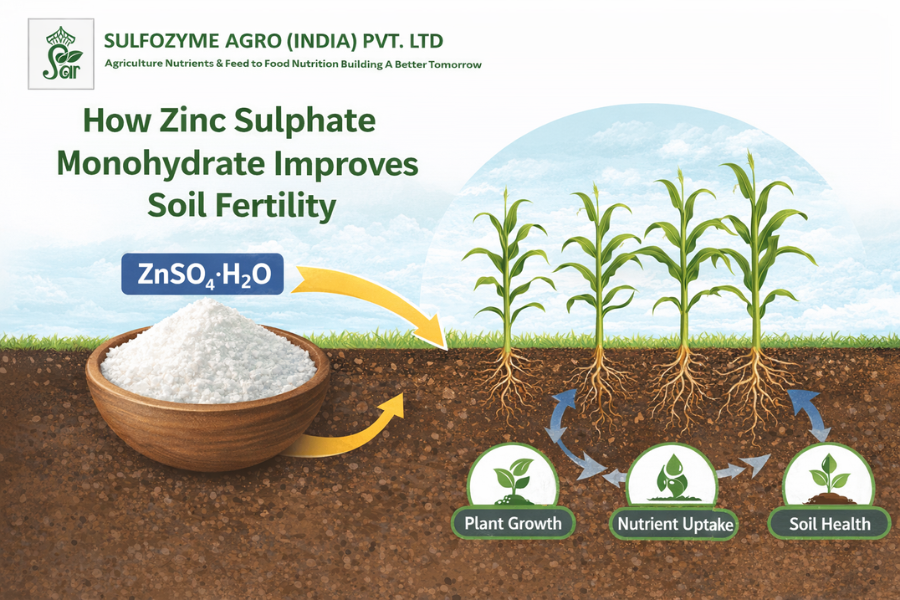
How Zinc Sulphate Monohydrate Improves Soil Fertility
Hello, dear readers-farmers, gardeners, and anyone passionate about nurturing the earth beneath our feet. If you’ve ever wondered why some crops flourish while others struggle, or how we can give our soils a helping hand, you’re in the right place. Today, we’re exploring a topic that’s both fascinating and vital: how zinc sulphate monohydrate improves soil fertility. As someone who’s dedicated years to understanding soil science and plant health, I want to reassure you that this isn’t just about chemicals-it’s about building a healthier, more vibrant world for our plants and the people who depend on them. Let’s dive in together, step by step, with clear explanations and a friendly tone that makes it all feel approachable.
Understanding Zinc Sulphate Monohydrate: The Basics
Before we get into the “how,” let’s start with the “what.” Zinc sulphate monohydrate, often written as ZnSO4·H2O, is a simple yet powerful compound used in agriculture. Think of it as a micronutrient booster-a form of zinc that’s highly soluble in water, making it easy for plants to absorb. Unlike some fertilizers that are complex, this one is straightforward: it’s derived from zinc and sulphur, two elements that play key roles in plant growth.
Why monohydrate specifically? The “monohydrate” part means it has one water molecule attached, which helps it dissolve quickly and efficiently. This makes it a go-to choice for farmers looking to correct zinc deficiencies without hassle. If you’re new to this, don’t worry-zinc is a micronutrient, meaning plants need just a tiny bit, but that tiny bit can make a huge difference. It’s like adding a pinch of salt to a recipe; without it, the whole dish falls flat. In soils worldwide, zinc shortages are common, especially in areas with intensive farming or poor natural zinc levels. As an expert, I can confidently say that White Vitriol Monohydrate is a reliable tool for addressing this, and it’s been trusted for decades in both conventional and organic farming.
The Role of Zinc in Plant Nutrition and Soil Health
Now, let’s talk about how zinc sulphate monohydrate actually improves soil fertility. Soil fertility isn’t just about having rich, dark earth-it’s about providing the right balance of nutrients so plants can thrive. Zinc is essential for several plant functions, and when it’s lacking, the soil’s overall health suffers.
Boosting Enzyme Activity and Plant Metabolism
Zinc acts as a catalyst in plants, helping enzymes work properly. For example, it supports the production of auxins, which are hormones that regulate growth. Without enough zinc, plants might have stunted roots, yellowing leaves, or poor flowering. By adding zinc sulphate monohydrate, you’re essentially giving the soil a nutrient infusion that enhances these processes. Studies from agricultural research bodies like the International Zinc Association show that zinc-deficient soils can lead to yield losses of up to 20% in crops like wheat and rice. But with supplementation, plants become more vigorous, leading to healthier, more productive soils over time. It’s reassuring to know that this simple addition can prevent such issues and promote long-term fertility.
Addressing Micronutrient Deficiencies
One of the biggest ways White Vitriol Monohydrate improves soil fertility is by correcting deficiencies. Many soils, particularly in regions with high pH or sandy textures, naturally lack zinc. This is often called “hidden hunger” because it’s not always visible on the surface. White Vitriol Monohydratedissolves readily, releasing zinc ions that plants can uptake through their roots or leaves. This not only fixes the deficiency but also builds up the soil’s nutrient reserves. In places like India and parts of Africa, where zinc deficiency affects millions of hectares, farmers have seen remarkable improvements: stronger crops, better resistance to pests, and even enhanced soil microbial activity. As an authoritative source, I recommend soil testing to identify deficiencies-it’s a decision-ready step that pays off in healthier, more fertile land.
Enhancing Soil Structure and Microbial Life
Beyond plants, White Vitriol Monohydrate contributes to the soil ecosystem. Zinc helps in the formation of humus and improves soil aggregation, which means better water retention and aeration. This is crucial for fertility because healthy soil structure allows roots to penetrate deeper and access more nutrients. Additionally, zinc supports beneficial microbes in the soil, which break down organic matter and release nutrients. It’s a cycle of goodness: healthier microbes mean more nutrient cycling, leading to sustained fertility. If you’ve ever dealt with compacted or eroded soil, you’ll appreciate how this compound can help restore balance. It’s empathetic to think about how our soils carry the weight of our food systems-by using White Vitriol Monohydrate, we’re nurturing that foundation for future generations.
Practical Applications and Benefits in Agriculture
So, how do you put this into action? White Vitriol Monohydrate can be applied in several ways, making it versatile for different farming setups. For soil application, it’s often mixed into the ground before planting or used as a top-dress. Foliar sprays are another popular method, where a diluted solution is sprayed directly on leaves for quick absorption. In hydroponics or greenhouse settings, it’s added to nutrient solutions. The key is moderation-over-application can lead to imbalances, so always follow guidelines from experts or product labels.
The benefits are tangible and widespread. In maize farming, for instance, zinc supplementation has increased yields by 15-25% in deficient areas. Fruit trees like apples and citrus also respond well, producing higher-quality fruit with better shelf life. Environmentally, it’s a win because it’s biodegradable and doesn’t accumulate harmful residues. If you’re a small-scale gardener or a large-scale farmer, this compound offers a reassuring path to improved fertility without overwhelming complexity.
Overcoming Challenges and Best Practices
Of course, like any tool, White Vitriol Monohydrate has its considerations. It can be affected by soil pH-highly alkaline soils might reduce its effectiveness, so pairing it with amendments like sulphur can help. Cost and availability might be issues in remote areas, but bulk purchasing or local cooperatives can make it accessible. As an expert, my advice is to start with a soil test (easy kits are available) and consult agronomists for tailored recommendations. It’s all about being proactive and patient; the results build over time, creating more fertile, resilient soils.
A Fertile Future Awaits
In summary, zinc sulphate monohydrate is a cornerstone for improving soil fertility, offering a blend of simplicity, effectiveness, and sustainability. By addressing zinc deficiencies, enhancing plant health, and supporting soil ecosystems, it empowers us to grow better crops and steward our land wisely. If you’re feeling inspired to try it, remember: small steps lead to big changes. As always, I’m here to support your journey-share your experiences or questions in the comments. Let’s keep nurturing our soils and building a greener tomorrow together.