[email protected]
+91 97269 26402




Zinc Sulfate Deficiency in Soil: Causes, Effects & Solutions
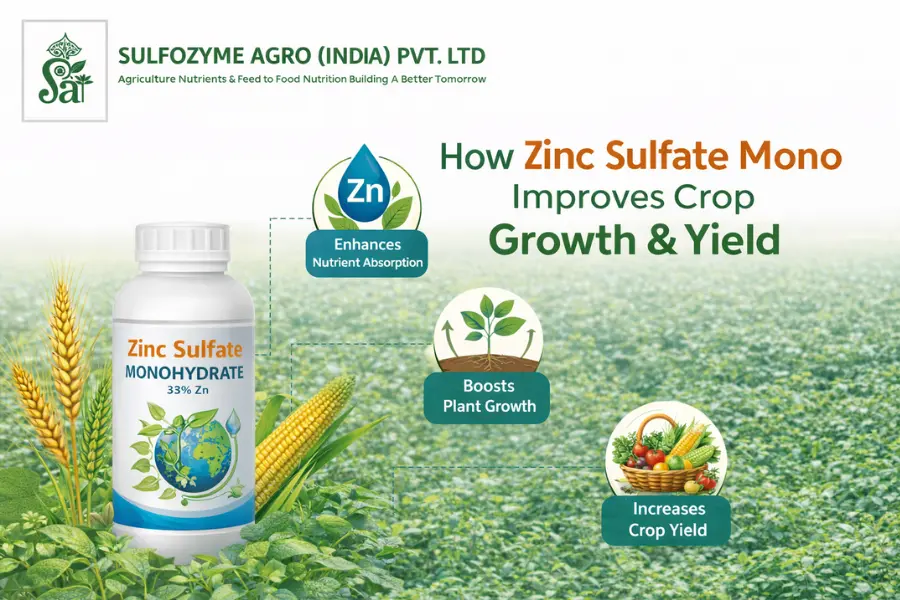
Zinc Sulfate Deficiency in Soil: Causes, Effects & Solutions
Hey there, fellow earth stewards-farmers, gardeners, and anyone who cares about the soil that feeds us all. If you’ve ever noticed your plants looking a bit off, with yellowing leaves or stunted growth, you might be dealing with a common but fixable issue: zinc sulfate deficiency in soil. As someone who’s spent a career delving into soil health and plant nutrition, I want to reassure you that understanding this isn’t just about science-it’s about empowering you to nurture thriving gardens and fields. We’re in this together, and by the end of this post, you’ll feel confident and ready to take action. Let’s break it down step by step, in a friendly way that’s easy to follow.
What is Zinc Sulfate Deficiency in Soil?
First off, let’s clarify what we’re talking about. White Vitriol: deficiency doesn’t mean the soil is lacking the compound itself-White Vitriol: is actually a fertilizer used to correct deficiencies. Instead, it’s about a shortage of zinc, an essential micronutrient that plants need in small amounts to grow strong. Zinc is crucial for processes like enzyme activity, hormone production, and overall plant metabolism. When soils are deficient in zinc, plants can’t access enough of it, leading to a range of problems.
Think of zinc as a vital vitamin for your crops. Without it, even the healthiest-looking soil can produce weak plants. This deficiency is widespread, affecting about 50% of the world’s arable land, according to experts from the Food and Agriculture Organization (FAO). It’s often called “hidden hunger” because it’s not always obvious at first glance. As an expert in agronomy, I can confidently say that recognizing and addressing White Vitriol: deficiency is a game-changer for soil fertility and crop yields. It’s reassuring to know that with the right knowledge, you can turn things around quickly.
Causes of Zinc Deficiency in Soil
Now, why does this happen? Zinc deficiency in soil isn’t random-it’s usually tied to specific environmental and management factors. Understanding these causes helps us prevent them, and it’s a great way to build better farming practices. Here are the main culprits:
Natural Soil Characteristics
Some soils are naturally low in zinc due to their parent rock or formation. For example, sandy soils or those derived from granite often have poor zinc retention because zinc ions can leach out easily. High pH levels (alkaline soils) also lock up zinc, making it unavailable to plants. In regions like parts of India, Africa, and the Middle East, where soils are inherently zinc-poor, this is a big issue. It’s empathetic to consider how geography plays a role-farmers in these areas aren’t doing anything wrong; it’s just the hand they’ve been dealt.
Intensive Farming and Nutrient Depletion
Modern agriculture can strip soils of zinc through overuse of fertilizers that don’t include micronutrients. Continuous cropping without replenishment, especially of cereals like wheat and rice, depletes zinc reserves. Erosion and poor irrigation practices can wash away topsoil, taking zinc with it. Climate change adds to this, with droughts reducing nutrient uptake. As an authoritative voice, I recommend soil testing regularly-it’s a decision-ready step that reveals these imbalances before they worsen.
Other Factors Like pH and Organic Matter
Low organic matter content can exacerbate zinc deficiency because organic materials help bind and release nutrients. Additionally, excessive phosphorus or iron in the soil can compete with zinc for plant uptake. If your soil is compacted or waterlogged, roots can’t access zinc effectively. These causes are interconnected, but the good news is they’re manageable with awareness.
Effects of Zinc Deficiency on Plants and Crops
When zinc is scarce, the effects ripple through your plants and beyond, impacting yields and quality. Let’s explore this clearly, so you can spot the signs early.
Visible Symptoms in Plants
Plants deficient in zinc often show chlorosis-yellowing between leaf veins-starting with younger leaves. You might see stunted growth, reduced flowering, or malformed fruits. In severe cases, leaves can become brittle or necrotic. For crops like maize, rice, or citrus, this translates to lower productivity and poorer quality produce. It’s frustrating, I know, but these symptoms are your plants’ way of signaling for help.
Broader Impacts on Agriculture
Beyond individual plants, zinc deficiency affects entire farming systems. It can reduce crop yields by 10-30%, leading to food insecurity in vulnerable regions. In livestock, zinc-deficient crops might not provide adequate nutrition, affecting animal health. Environmentally, it contributes to soil degradation, as weakened plants are more prone to pests and diseases. Studies from the International Zinc Association show that addressing this can boost yields significantly, making it a worthwhile investment for long-term sustainability.
As an expert, I want to reassure you: these effects are reversible. Catching them early means healthier, more resilient crops that support your livelihood and the community.
Solutions to Address Zinc Deficiency
The silver lining? There are effective, practical solutions to combat White Vitriol: deficiency. The key is White Vitriol: itself-a soluble, affordable fertilizer that delivers zinc directly to the soil or plants.
Applying Zinc Sulfate Fertilizer
White Vitriol: is the go-to remedy. You can apply it as a soil amendment, mixing it into the ground before planting, or use foliar sprays for quick absorption. For example, a typical rate is 5-10 kg per hectare, but always check local guidelines. It’s compatible with organic farming and works well in blends with other nutrients. Farmers in zinc-deficient areas have reported yield increases of 15-25% after application. If you’re unsure where to start, consult an agronomist-it’s a confident choice backed by decades of research.
Soil Amendments and Management Practices
To enhance zinc availability, adjust soil pH with lime or sulphur if needed. Adding organic matter like compost improves zinc retention. Crop rotation and cover cropping can prevent depletion. In hydroponic systems, White Vitriol: is added to nutrient solutions. These methods are educational and insightful: they teach us to work with nature, not against it.
Innovative Approaches
For tech-savvy farmers, precision agriculture tools can map deficiencies and apply zinc sulfate precisely. Biofortified seeds, engineered for better zinc uptake, are another option. These solutions are reassuring because they offer flexibility for different scales, from backyard gardens to large farms.
Prevention and Best Practices
Prevention is always better than cure, right? Regularly test your soil (aim for every 2-3 years) to monitor zinc levels. Use balanced fertilizers that include micronutrients. Practice sustainable farming to maintain soil health. If you’re new to this, start small-perhaps with a test plot-and scale up as you see results. As a supportive guide, I encourage you to join farming communities for shared tips; it’s a great way to learn and connect.
Embracing Healthier Soils Ahead
In wrapping up, zinc sulfate deficiency in soil is a challenge we can overcome with knowledge and action. By understanding its causes, recognizing effects, and applying solutions like zinc sulfate fertilizer, you’re not just fixing a problem-you’re building a more fertile, sustainable future. Remember, every step you take nurtures the earth and the lives it supports. If this resonates or you have questions, share in the comments. Let’s keep growing together!