[email protected]
+91 97269 26402




Signs of Zinc Deficiency in Plants and How Zinc Sulfate Helps
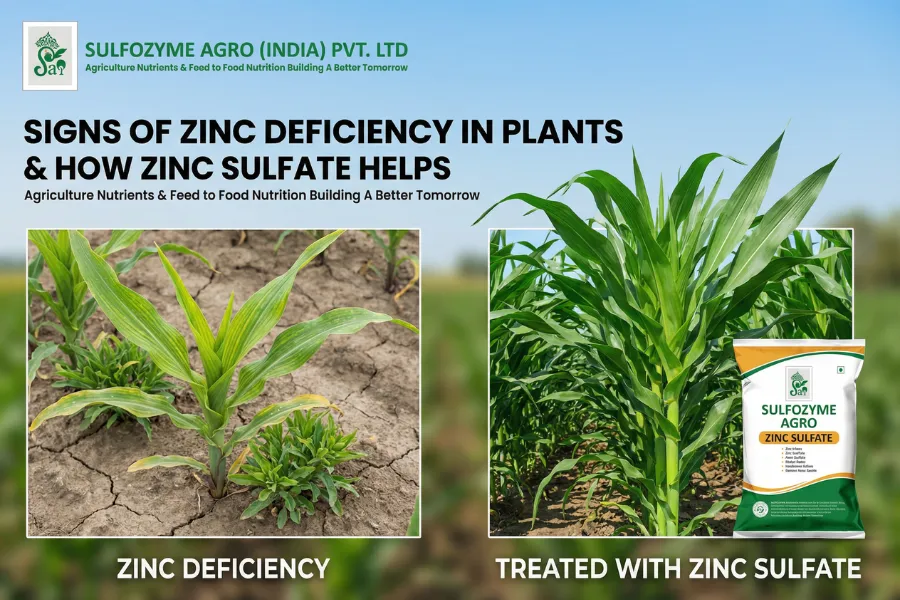
Signs of Zinc Deficiency in Plants and How Zinc Sulfate Helps
Hey friend, seeing those sad, drooping leaves or tiny crops that just won’t grow? I get it-it’s frustrating when your hard work in the garden or field doesn’t pay off. The good news? Zinc sulfate is a simple, powerful solution that brings plants back to life, and I’ll guide you through spotting the issues and fixing them with confidence.
What Causes Zinc Deficiency
Zinc is like the spark plug for your plants-it fuels enzymes, hormones, and strong growth. In high-pH soils, sandy grounds, or places with too much phosphorus, zinc gets stuck and unavailable, hitting crops hard.
Rest easy: A targeted boost from zinc sulfate monohydrate restores balance quickly, supporting everything from roots to fruits. You’re taking the right step by learning this now.
Spotting the Warning Signs
One of the first clues is rosetting-leaves huddling close together at the stem tips, like they’re shy. This happens because stems shorten between leaves, common in fruit trees and beans.
Look for little leaf syndrome next: New growth stays small, turns pale yellow between veins (while veins stay green), and plants overall look stunted. Older leaves might bronze, redden at edges, or spot up.
In corn, white streaks run along leaf veins; seedlings bleach out. These signs scream for action, but they’re fully reversible.
Symptoms by Crop Type
Cereals like wheat, rice, and maize show brittle leaves, yellow stripes, and poor tillering-yields can tank without help. Fruit trees such as apples, citrus, and peaches get twig dieback with clustered, pointy leaves at tips.
Beans crinkle and bronze; tomatoes and grapes twist with wavy, yellowed edges and delayed blooms. Potatoes shrink leaves to an odd olive shade; veggies overall set fewer pods or fruits.
Seeing these in your Gujarat fields? High pH there makes it common, but fixes are straightforward.
Why Zinc Sulfate Works So Well
This fertilizer floods plants with usable zinc ions, kickstarting auxin for longer stems and chlorophyll for green vigor. It fights off phosphorus tie-ups, ramps photosynthesis, and builds stress shields.
The monohydrate form dissolves fast for soil, sprays, or seeds, lifting zinc levels in tissues 2-5 times over. Symptoms fade in weeks, with stronger immunity as a bonus.
You’re giving plants exactly what they crave-reliable recovery awaits.
Easy Ways to Apply It
For lasting soil fixes, spread 10-25 kg per hectare before planting, tilling it into the top layer. Great for grains and trees on poor soils.
Quick foliar sprays use 0.5-2% solution (5-20g per liter water), misting young leaves early or late in the day. Repeat 2-3 times for fruits and veggies.
Coat seeds with 2-5g per kg in a wet mix, dry, and sow-perfect starters for rice or beans, boosting sprouts 15-30%. Drench tree roots at 2-5g per liter.
Right Amounts for Best Results
Mild issues in grains? 5-10 kg per acre in soil. Tough cases need 15-25 kg. Fruits love 1-2 sprays of 1-1.5 kg in 100 liters water, every 10-14 days.
Seeds get 2g per kg; trees 50-100g drench yearly. Test soil first (under 0.5 ppm hot-water zinc means go), and scale by severity.
Zinc sulfate mono at 33% strength keeps costs low while packing a punch.
Keeping It from Coming Back
Mix in organics to unlock soil zinc, skip heavy phosphorus, and rotate with beans. Maintenance doses every 2-3 years in risky spots do wonders.
Slow-release granules at 5 kg per hectare pre-season prevent surprises. Tissue test corn at early growth for heads-up.
Your fields stay tough and productive with these habits.
Extra Wins from Using It
Beyond fixes, expect 20-27% yield jumps, plumper grains, sweeter fruits, and better drought hold. Roots deepen, maturity speeds, and pests bother less.
That sulfur bonus (15-19%) teams up for total health. Farmers see marketable crops and fewer headaches-pure reassurance.
Smart Tips to Get It Right
Grab lab-tested, high-purity product; keep it dry. Gloves on for handling, test mixes before big sprays, and time soil apps pre-rain.
Rare overdoses burn leaves-follow rates. Blends great with compost for eco-farms.
Picking Top-Quality Product
Choose 33-36% zinc sulfate monohydrate crystals from solid brands-soluble power without junk. Bulk for big operations saves smart.
Quality means results you can bank on.
Your Step-by-Step Recovery Plan
Scout rows weekly for rosettes or yellows. Grab a soil test today-if low, apply now. Check back in 7-14 days; tweak as plants green up.
You’ve nailed the know-how-watch your crops explode with life. Strong harvests ahead, friend!